
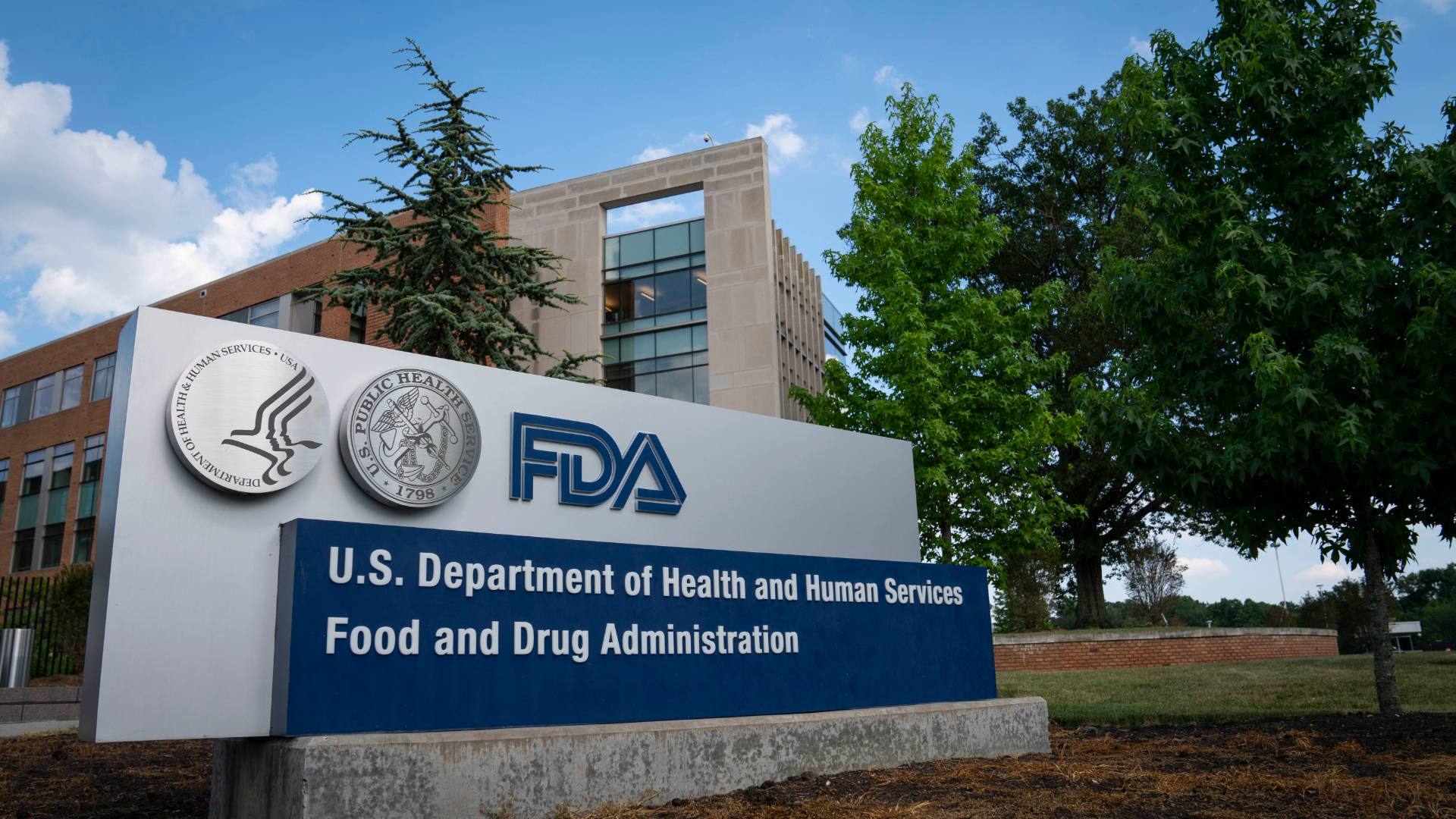
Rare Disease Drug Approvals Accelerate as FDA Clears Three New Orphan Therapies
May 2026 — The U.S. Food and Drug Administration has approved three therapies in May 2026 for rare or orphan-designated diseases, reinforcing the continued importance of accelerated pathways, targeted oncology, and hematology innovation in rare disease drug development.
Beqalzi — Mantle Cell Lymphoma
May 13, 2026. FDA granted accelerated approval to Beqalzi — sonrotoclax, developed by BeOne Medicines USA. For adults with relapsed or refractory mantle cell lymphoma after at least two prior systemic therapies, including a BTK inhibitor. The approval is especially relevant for patients whose disease has progressed after existing targeted therapy.
Inqovi Plus Venetoclax — Acute Myeloid Leukemia
May 13, 2026. FDA approved Inqovi (decitabine and cedazuridine tablets in combination with venetoclax). Treatent for adults with newly diagnosed acute myeloid leukemia. This is for 75 years or older or have comorbidities that prevent the use of intensive induction chemotherapy. The approval provides an oral hypomethylating-agent backbone combined with venetoclax for a patient population often underrepresented in intensive AML treatment strategies. FDA noted that decitabine and cedazuridine received orphan drug designation for this indication.
Bizengri — NRG1 Fusion-Positive Cholangiocarcinoma
On May 8, 2026, FDA approved Bizengri (zenocutuzumab-zbco), developed by Partner Therapeutics for adults with advanced unresectable or metastatic NRG1 fusion-positive cholangiocarcinoma. This approval targets an extremely rare, molecularly defined cancer population and it’s demonstrates the growing role of precision medicine in orphan oncology. Bizengri received orphan drug designation and breakthrough therapy designation.
Rare Disease Development Outlook
These three May 2026 approvals show how rare disease drug development is increasingly shaped. The targeted therapies for molecularly defined populations, accelerated approval pathways for high-unmet-need diseases, and treatment strategies designed for small or medically vulnerable patient groups.
For rare disease companies, CROs, and clinical development teams, the message is clear: regulatory success increasingly depends on strong biomarker strategy, fit-for-purpose endpoints, small-population trial design, and high-quality evidence packages.
About Nooscend
Nooscend supports rare disease and orphan drug development through biometrics, statistical programming, clinical trial analytics, and AI-enhanced evidence strategies. Our focus is helping biotech, pharma, and academic sponsors generate credible, regulatory-ready data in small and complex patient populations.
